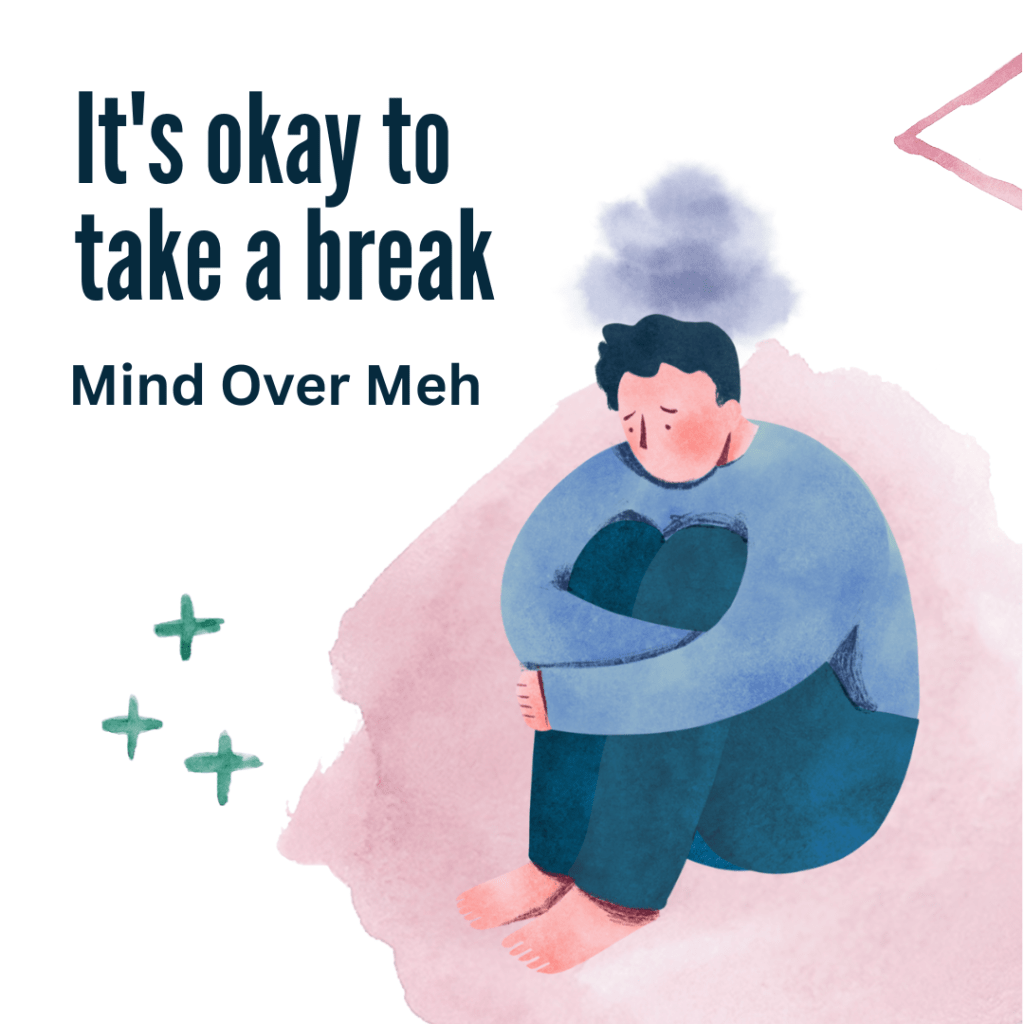
Community Mental Health Teams Often Feel Useless
Let’s start with a disclaimer: the people who work in community mental health teams (CMHTs) are often hardworking, compassionate, and deeply committed. The problem isn’t usually the individuals. It’s the system.
But for many service users and families, the experience is the same: frustration, endless waiting, tick-box assessments, and very little meaningful support. And that’s why, to many, community mental health teams feel… useless.
The Referral Black Hole
For many people in crisis, accessing support starts with a referral. Then comes the waiting. Weeks turn into months. Calls go unanswered. Appointments get rescheduled.
By the time someone is finally seen, their situation has often deteriorated significantly. Early intervention is talked about constantly—but rarely delivered.
A system that moves this slowly in mental health care isn’t just inefficient. It’s dangerous.
The Threshold Problem
One of the biggest complaints about CMHTs is the “threshold” issue. You’re either:
- Not unwell enough to qualify for support
- Or so unwell that you should be in crisis services
There’s often no meaningful middle ground.
People are told they are “too complex” for primary care but “not severe enough” for secondary services. They end up bouncing between providers, repeating their story over and over, without sustained help from anyone.
That gap is where many people fall through.
Short-Term Thinking for Long-Term Conditions
Mental health conditions are often chronic or recurring. Yet community teams frequently operate on short intervention models:
- A few appointments
- A medication review
- A generic coping skills leaflet
- Discharge
Then you’re back on a waiting list months later when things relapse.
This revolving-door approach doesn’t build stability. It creates dependency on crisis services instead of preventing crises in the first place.
Overworked Staff, Underfunded Services
It’s impossible to talk about CMHT failures without acknowledging the obvious: chronic underfunding and impossible caseloads.
Staff are often managing overwhelming numbers of clients. Burnout is high. Turnover is constant. Continuity of care suffers.
When your care coordinator changes three times in a year, therapeutic trust becomes almost impossible.
The system is stretched so thin that even good practitioners struggle to deliver meaningful care.
Risk Management Over Real Support
Another common criticism is that CMHTs have shifted from therapeutic care to risk management.
Appointments can feel less like conversations about recovery and more like liability checks:
- “Are you suicidal?”
- “Any thoughts of harming others?”
- “Are you safe right now?”
If the answer is no, the appointment ends quickly. If yes, you’re escalated.
But what about the grey areas? The daily despair? The slow erosion of functioning? The crushing loneliness?
Those rarely fit neatly into risk forms.
Fragmentation and Poor Communication
Mental health care often involves multiple professionals:
- Psychiatrists
- Care coordinators
- Social workers
- Psychologists
Yet communication between them can be shockingly inconsistent. Service users are left acting as the bridge between departments.
When care feels disjointed, it doesn’t feel like care at all.
Why It Feels Personal
When someone seeks mental health support, they are often at their most vulnerable. So when the system fails, it feels deeply personal—even if the root cause is structural.
Being told you “don’t meet criteria” when you’re struggling to get out of bed isn’t just administrative. It feels like rejection.
Being discharged because you “didn’t engage” when you were too depressed to answer calls feels like blame.
The emotional cost of these interactions is rarely acknowledged.
So Are They Actually Useless?
Not entirely.
Community mental health teams can work. For some people, they provide life-changing support. For others, they are the only consistent contact with services.
But for many, they feel reactive instead of proactive, bureaucratic instead of therapeutic, and overstretched instead of supportive.
That’s not useless by definition—but it’s far from what people need.
What Would Make Them Less Useless?
If we’re going to criticize, we should also be honest about solutions:
- Lower caseloads for staff
- Genuine early intervention pathways
- Longer-term therapeutic relationships
- Better integration with primary care
- Investment in preventative services
- A shift from pure risk management to recovery-oriented care
Most importantly, meaningful funding and structural reform.
The Real Problem
Community mental health teams are often blamed because they’re the visible front line. But they’re operating inside a system that has been underfunded and overloaded for years.
The result is a service that too often feels ineffective, inaccessible, and indifferent.
People don’t call them useless because they expect perfection. They call them useless because they expected help—and didn’t receive it.
And that gap between expectation and reality is where trust breaks down.
If you’d like, I can also write a more balanced version, a personal-experience-style piece, or a policy-focused critique aimed at reform rather than frustration.
 MindOverMeh